

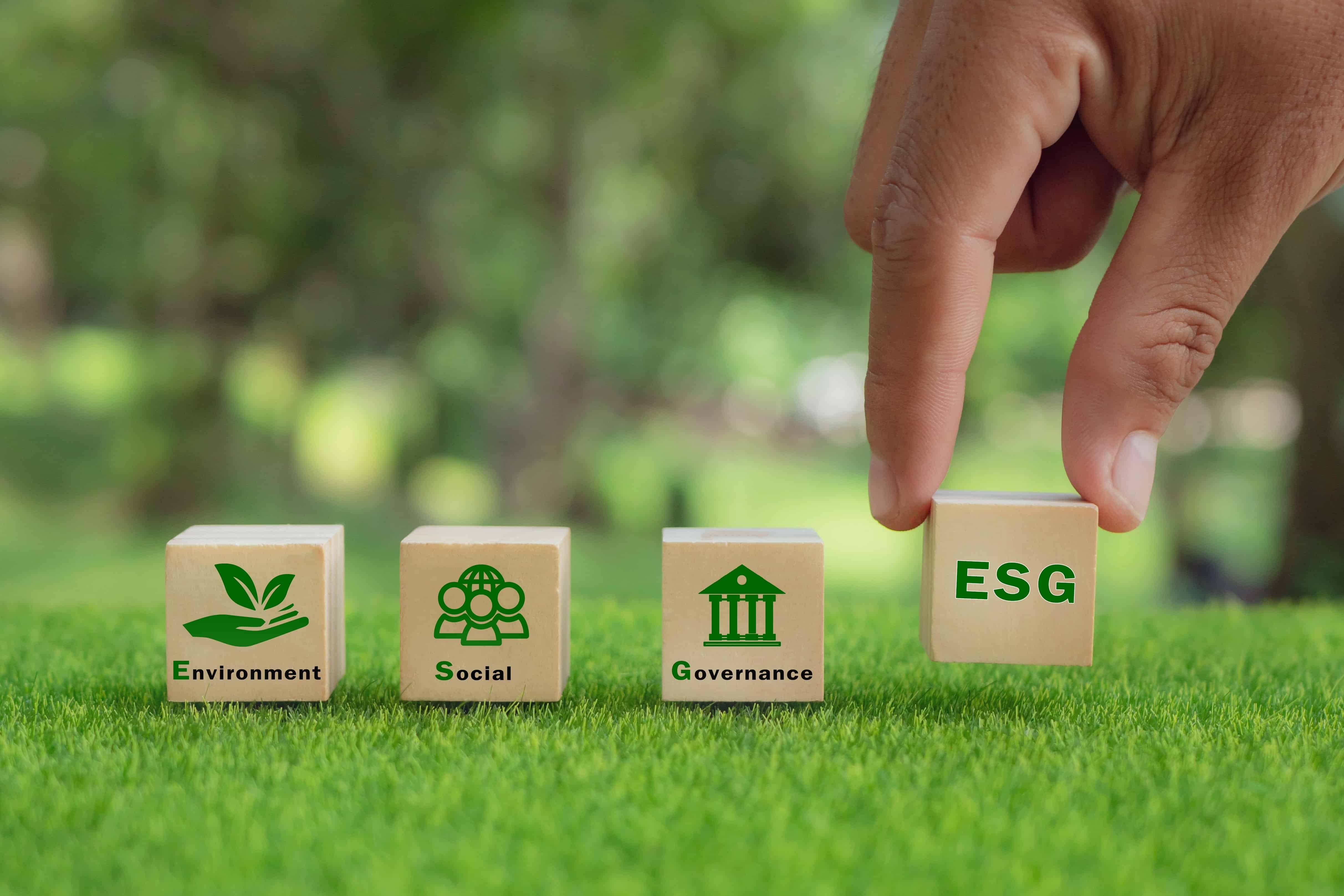
An ESG roadmap is the strategic infrastructure that turns sustainability ambition into accountable execution. It identifies priority issues, sets measurable goals, defines KPIs, and creates action plans — providing the discipline that distinguishes companies who lead on ESG from those who simply talk about it. For businesses today, the question is no longer whether to have an ESG roadmap, but how quickly one can be built and deployed.
This guide covers what an ESG roadmap is, the five risks of operating without one, the eight benefits it delivers, three corporate examples (Unilever, Google, IKEA), and the nine-step framework for creating a roadmap that produces measurable results.
The Short Version
- An ESG roadmap is a strategic plan that identifies priority ESG issues, sets time-bound goals, defines KPIs, and creates action plans with clear ownership.
- Five risks of no ESG strategy: Limited capital access, regulatory and legal exposure, brand and revenue damage, talent shortages, and missed efficiency opportunities.
- Eight benefits of a roadmap: Risk mitigation, new opportunities, improved reputation, capital access, employee engagement, business performance, streamlined decisions, and regulatory anticipation.
- Three corporate leaders demonstrate roadmap impact: Unilever (Sustainable Living Plan since 2010), Google (largest corporate renewable energy purchaser), IKEA (People & Planet Positive strategy since 2012).
- Nine-step creation framework turns concept into operational reality — from materiality assessment to stakeholder collaboration.
What Is an ESG Roadmap?
An ESG roadmap is a strategic plan that outlines how a company will improve its environmental, social, and governance performance over time. It includes a baseline assessment of current ESG practices, prioritization of material issues, time-bound and measurable goals, KPIs to track progress, and action plans with clear owners and resources. The roadmap provides the structure that turns ESG from aspiration into accountable execution.
An ESG roadmap helps companies achieve two essential objectives simultaneously. First, it identifies and prioritizes the ESG issues most relevant and impactful to the business — by evaluating risks and opportunities across environmental, social, and governance areas, companies can determine which factors deserve the most attention and resources. Second, it establishes concrete, time-bound goals and key performance indicators that make progress measurable and stakeholders accountable.
Important Characteristics of an ESG Roadmap
Three structural elements define every effective ESG roadmap:
- Assessment of current ESG practices and impacts. Evaluation of risks, opportunities, and performance across carbon emissions, waste management, labour practices, data security, board diversity, and other material areas. The assessment provides the baseline for everything else.
- Identification of priority ESG issues. Based on the assessment, companies determine which ESG factors are most significant to their business and stakeholders. These priority issues become the focus of the roadmap and its targets.
- Concrete goals and targets. Time-bound, measurable objectives and KPIs for each priority issue. Without specific targets, ESG strategy drifts; with them, it executes.
According to TechTarget, an ESG strategy helps companies identify and manage risks, gain competitive advantage, and build stakeholder trust. The most effective ESG roadmaps don't bolt sustainability onto existing operations — they integrate ESG into decision-making, governance, and business strategy at the core.
Corporate Examples: ESG Roadmaps in Practice
Three multinationals demonstrate what mature ESG roadmaps look like — each addressing different priorities, each producing measurable outcomes:
Sustainable Living Plan (2010)
Unilever's Sustainable Living Plan aims to decouple business growth from environmental impact. The plan includes ambitious targets to halve product environmental footprints and source 100% of agricultural raw materials sustainably. Achievements include zero waste to landfill in over 100 factories and all plastic packaging being reusable, recyclable, or compostable.
Technology-Driven Climate Strategy
Google is the world's largest corporate purchaser of renewable energy and has committed to being carbon neutral. The company develops tools to optimize energy usage in its data centers and offices, and applies machine learning expertise to help others reduce emissions and adapt to climate change.
People & Planet Positive (2012)
IKEA's strategy promotes renewable energy, sustainable raw material sourcing, and a circular economy. The world's largest furniture retailer has invested in over 500,000 solar panels on their buildings, owns over 300 wind turbines, and works to use recycled and recyclable materials across its product lines.
Unilever, Google, and IKEA share a common formula: ambitious time-bound targets, measurable KPIs, and integration into core business strategy — not parallel sustainability programs. The roadmap drives the business; the business doesn't tolerate the roadmap.
5 Disadvantages of Not Having an ESG Strategy
The cost of operating without an ESG roadmap compounds over time. Five concrete risks affect access to capital, regulatory standing, brand equity, talent, and operations:
Limited Capital Access
Major investment firms now factor ESG into funding decisions. No ESG strategy means restricted capital options.
Regulatory Exposure
Governments expand ESG disclosure laws and emissions rules. Companies without strategy face fines and legal consequences.
Brand & Revenue Damage
Consumers prefer brands aligned with their values. ESG laggards lose customers to perceived ethical competitors.
Talent Shortages
Younger generations want values-aligned employers. Without ESG, recruiting and retaining top talent becomes harder.
Missed Opportunities
ESG drives efficiency, renewable energy use, waste reduction. No focus means lost cost savings and innovation.
8 Benefits of an ESG Roadmap
A well-executed ESG roadmap generates eight measurable benefits across risk, opportunity, reputation, capital, talent, performance, decision-making, and regulatory positioning:
Risk Mitigation
Structured assessment and management of ESG risks across environmental, social, and governance dimensions.
New Opportunities
Per McKinsey, energy efficiency cuts costs, sustainable products tap green demand, governance builds investor trust.
Improved Reputation
Concrete ESG goals and progress reporting build stakeholder trust with customers, employees, investors, and communities.
Capital Access
ESG-focused investors seek companies with clear strategies — a roadmap opens doors to ESG-linked financing opportunities.
Employee Engagement
Involving employees in roadmap development and progress reporting builds motivation and retention.
Business Performance
Evidence shows strong ESG performance correlates with financial outperformance — eco-efficiency, sales growth, reduced risk.
Streamlined Decisions
ESG lens applied to new policies, projects, products, and partnerships ensures strategic, values-aligned choices.
Regulatory Anticipation
Voluntary ESG roadmaps position companies to adapt to new rules, avoid compliance costs, and influence policy.
According to GreenBiz, businesses with ESG roadmaps can implement initiatives to reduce risks, prevent crises, and safeguard long-term business viability — examples include transition risks from climate change, human rights risks in the supply chain, and lack of board diversity.
How to Create an ESG Roadmap in 9 Steps
Creating an effective ESG roadmap requires nine integrated activities. Each builds on the previous — skip steps and the roadmap loses credibility, both internally and with stakeholders.
Conduct a Materiality Assessment
A materiality assessment identifies and prioritizes the ESG issues most relevant to your business and stakeholders. It involves analyzing risks, impacts, and opportunities — then engaging stakeholders through surveys, interviews, and focus groups. The output is a matrix mapping issues by stakeholder importance and business significance. Focus the ESG strategy on the top-right quadrant.
Set Sustainable Development Goals
Develop qualitative goals and quantitative targets for each material issue. Goals must be SMART: specific, measurable, achievable, relevant, and time-bound. Align with global standards like the UN Sustainable Development Goals. Example: "reduce Scope 1 and 2 GHG emissions by 50% by 2028 from a 2023 base year" — not "reduce emissions."
Develop Key Performance Indicators
Define KPIs to track progress towards goals. KPIs need to be based on measurable metrics and data. For emissions targets, KPIs include total GHG emissions (tCO2e), emission intensity (tCO2e/unit of production), and percentage of renewable energy used. Monitor regularly with accountability at management and board level.
Create Action Plans
Detail the specific actions required to achieve each goal. Action plans need clear owners, timelines, budgets, and allocated resources. They must address root causes and prioritize high-impact actions. Example: to meet "50% emissions reduction by 2028," an action could be "transition fleet vehicles to electric by 2026." Action plans integrate into business plans and strategies.
Report and Disclose
Publish annual sustainability reports disclosing ESG goals, targets, KPIs, and progress. Use recognized frameworks like GRI for transparency and benchmarking. Disclose climate-related risks and opportunities per TCFD recommendations. Obtain external assurance for key metrics to build credibility. Consider SASB for industry-specific disclosure. See our ESG reporting and transparency guide for the full reporting framework.
Secure Leadership Buy-In
Obtain support and commitment from leadership — especially the CEO and board. Per EHS research, leadership buy-in is essential for success and accountability. Educate leaders on the business case for ESG. Establish governance structures embedding ESG into decision-making:
Allocate Adequate Resources
Dedicate financial and human capital. ESG strategies often require investments in renewable energy, energy efficiency, water conservation, and waste reduction. Staff are needed to oversee the strategy, collect and analyze data, engage stakeholders, and prepare sustainability reports. Without resources, the roadmap becomes a wish list.
Build a Culture of Sustainability
Build awareness and support across the organization. Educate employees on sustainability issues and the company's approach. Provide training on new sustainable practices. Recognize and reward sustainability champions. Engage employees through internal sustainability networks and committees. A culture of sustainability ensures ESG is embedded into daily decision-making at all levels.
Collaborate and Partner
Work with stakeholders, industry peers, NGOs, and policymakers on sustainability challenges and solutions. Collaboration amplifies impact and addresses issues no single organization can solve alone. Join industry associations and multi-stakeholder initiatives, participate in conferences, sponsor NGOs, and co-develop tools, standards, and public policy. Partnerships with suppliers and customers drive change across the value chain.
Continuous improvement is essential. Review and refresh the ESG strategy and roadmap regularly based on progress, stakeholder feedback, and changes in the business or external environment. Advance goals over time. Improve data accuracy. Increase the scope and depth of disclosures. Expand stakeholder engagement. An ESG strategy is a continual improvement process, not a static document.
How GPSI Helps Companies Build ESG Roadmaps
GPSI's ESG specialists help companies design and execute ESG roadmaps from baseline assessment through ongoing reporting — covering materiality assessments, SMART goal setting, KPI definition, action plan development, GRI/SASB/TCFD/EcoVadis framework selection, board-level governance structures, and bilingual (EN/FR) delivery. We turn the nine-step framework into an operational program tailored to your industry and stakeholder context.
For related context, see our companion guides on ESG reporting and transparency, ESG for Canadian businesses, ESG for US businesses, and how ESG builds brand reputation.
Final Words
A robust ESG roadmap is essential infrastructure for companies that want to manage risks, capture opportunities, and build sustainable competitive advantage. The cost of operating without one — restricted capital, regulatory exposure, brand erosion, talent loss, missed efficiencies — compounds every quarter the strategy is delayed.
The path forward is well-defined: conduct a materiality assessment, set SMART goals aligned to global standards, define KPIs, build action plans, report transparently, secure leadership commitment, allocate resources, build a sustainability culture, and collaborate broadly. Unilever, Google, and IKEA prove the model works at scale. The companies that move first gain the competitive advantage; those that wait pay the rising cost of inaction.
Frequently Asked Questions
What is an ESG roadmap?
An ESG roadmap is a strategic plan that outlines how a company will improve its environmental, social, and governance performance over time. It identifies priority ESG issues through materiality assessment, sets time-bound and measurable goals, defines key performance indicators (KPIs), and creates action plans with clear owners, timelines, and budgets. The roadmap provides a structured process for embedding ESG into operations, governance, and decision-making — turning sustainability from aspiration into accountable execution.
Why is an ESG roadmap important for companies?
An ESG roadmap is important for four core reasons: it provides structured risk assessment and management across environmental, social, and governance dimensions; it unlocks new opportunities for innovation, cost savings, new products, and market access; it builds stakeholder trust through transparent goals and progress reporting; and it improves access to capital, with ESG-focused investors actively seeking companies with clear strategies. Companies without ESG roadmaps face limited capital access, regulatory exposure, brand damage, talent shortages, and missed efficiency opportunities.
What happens if a company doesn't have an ESG strategy?
Companies without ESG strategies face five concrete risks: limited access to capital as major investment firms increasingly factor ESG into funding decisions; regulatory and legal troubles as governments expand ESG disclosure laws and emissions rules; brand and revenue damage from customers preferring sustainable, socially-conscious brands; talent shortages as employees — particularly younger generations — seek values-aligned employers; and missed efficiency opportunities from sustainability-driven cost reductions and process improvements.
How do you create an ESG roadmap?
Creating an ESG roadmap requires nine integrated activities: conduct a materiality assessment to identify priority issues; set SMART sustainable development goals aligned to global standards like UN SDGs; develop key performance indicators (KPIs) with measurable metrics; create action plans with clear owners and timelines; report and disclose annually using GRI or SASB frameworks; secure leadership buy-in from CEO and board; allocate adequate financial and human resources; build a culture of sustainability through employee engagement; and collaborate with stakeholders, industry peers, NGOs, and policymakers.
What companies have implemented successful ESG roadmaps?
Three widely-cited corporate ESG roadmap leaders: Unilever launched its Sustainable Living Plan in 2010 with ambitious targets to halve product environmental footprints and source 100% of agricultural raw materials sustainably — achieving zero waste to landfill in over 100 factories. Google is the world's largest corporate purchaser of renewable energy and has committed to being carbon neutral, using machine learning to optimize energy in data centers. IKEA's People & Planet Positive strategy launched in 2012 has driven over 500,000 solar panels installed and 300+ wind turbines owned, plus circular economy practices.
What is a materiality assessment in ESG?
A materiality assessment is the process of identifying and prioritizing the ESG issues most relevant and significant to a business and its stakeholders. It involves analyzing risks, impacts, and opportunities across environmental, social, and governance areas, then engaging stakeholders through surveys, interviews, and focus groups. The output is a materiality matrix that maps issues by importance to stakeholders and significance to business success — focus your ESG strategy on issues that score highest on both dimensions.
What are SMART ESG goals?
SMART ESG goals are specific, measurable, achievable, relevant, and time-bound objectives for sustainability performance. A vague goal like 'reduce emissions' fails the SMART test. A SMART version: 'reduce Scope 1 and 2 GHG emissions by 50% by 2028 from a 2023 base year.' SMART goals should align with global standards like the UN Sustainable Development Goals and translate directly into measurable KPIs — total GHG emissions (tCO2e), emission intensity, percentage of renewable energy used.
How often should an ESG roadmap be updated?
An ESG roadmap should be reviewed and refreshed regularly — typically annually — based on progress against KPIs, stakeholder feedback, and changes in the business or external environment. Updates should advance existing goals, set more ambitious targets over time, improve data accuracy, expand disclosure scope and depth, and broaden stakeholder engagement. ESG strategy is a continuous improvement process: the roadmap evolves as the company and its context evolve.
Build Your ESG Roadmap With Expert Guidance
GPSI's bilingual ESG specialists design and execute ESG roadmaps tailored to your industry, stakeholders, and regulatory context — from materiality assessment to ongoing reporting. Turn the nine-step framework into a working program.
Connect With Our ESG Team