
Prepare Your Business for Canada’s Modern Slavery Act S-211
Enroll in our expert-led, tailored training on Modern Slavery for comprehensive insights and actionable knowledge.
Comply with Canada’s Modern Slavery Act S-211
In response to Canada’s Modern Slavery Act (S-211), organizations must demonstrate transparency and accountability throughout their supply chains. Non-compliance poses significant business, legal, and reputational risks. GPSI is here to help you navigate these requirements with clarity and confidence.
Our comprehensive training on Modern Slavery is delivered by experts and designed to build awareness, strengthen accountability and equip your team with the tools to identify and address risks related to forced and child labour and other critical issues.
Begin building a resilient, compliant supply chain with GPSI’s trusted support.

Why Choose Our S-211 Compliance Training?
Compliance with S-211 is not only a legal requirement but a critical opportunity to reinforce your organization’s integrity and demonstrate leadership in responsible business practices. GPSI delivers training that goes beyond legislation—offering reliable, real-world solutions that help you manage risk and ensure supply chain excellence.
What You Will Learn in Our Modern Slavery Act Training
With GPSI, you gain a strategic partner dedicated to delivering measurable results and sustainable compliance.
Comprehensive Understanding
Gain practical insights into the S-211 Act and its operational impact, tailored to help you navigate compliance with confidence.
Risk Identification and Mitigation
Equip your team to recognize vulnerabilities within your supply chain and implement effective solutions.
Operational Accountability
Leverage proven tools and guidance to simplify government reporting and compliance with S-211 requirements, ensuring strong organizational accountability.
What the program covers
GPSI’s program covers every aspect required for confident, ongoing compliance:
S-211 Overview & Legal Context
- Key requirements for transparency and annual reporting
- Timelines and enforcement measures
Assessing Supply Chain Risks
- Industries and locations most affected
- Clear indicators of forced or child labor
Effective Risk Management Tools
- Diligence and audit processes
- Actionable templates, matrices, and case examples
Sustainable Prevention Strategies
- Establishing robust codes of conduct
- Leveraging partnerships to enhance due diligence
Frequently Asked Questions
What is Canada’s Modern Slavery Act S-211?
Canada’s Modern Slavery Act, formally titled the Fighting Against Forced Labour and Child Labour in Supply Chains Act (Bill S-211), is federal legislation that requires certain organizations operating in Canada to publicly report, on an annual basis, the measures they have taken to prevent and reduce the risk of forced labour and child labour within their operations and supply chains. The Act came into force on January 1, 2024, with reports due by May 31 each year, and applies to both private-sector entities and government institutions that meet defined activity and size thresholds.
Why is S-211 compliance training important for businesses?
S-211 compliance training is essential because the Act places direct accountability on organizations—and their directors and officers—to demonstrate meaningful action, not just policy statements. Effective training helps organizations understand whether they are subject to the Act, meet mandatory annual reporting requirements, reduce legal, financial, and reputational risks, and build transparent, defensible supply-chain due-diligence processes. Failure to comply can result in financial penalties of up to $250,000 and potential liability for senior leadership.
What topics are covered in the Modern Slavery Act S-211 training program?
GPSI’s S-211 training provides practical, compliance-focused guidance aligned with the Act’s reporting requirements, including an overview of legal obligations under Bill S-211; identifying forced labour and child labour risks within supply chains; conducting and documenting risk assessments and due diligence; understanding the Act’s seven core reporting elements; preparing for and supporting annual public reporting; and clarifying the roles and responsibilities of leadership, procurement, HR, and compliance teams.
How can businesses prepare for compliance with the Modern Slavery Act S-211?
Businesses can prepare for S-211 compliance by training relevant teams on legal obligations and risk indicators; mapping supply chains to identify high-risk activities or regions; implementing or strengthening due-diligence and supplier-engagement processes; establishing clear internal accountability for reporting; and maintaining consistent documentation to support annual disclosures. Early preparation is critical, as reports must reflect measures taken during the previous financial year, not future intentions.
Who should attend the Modern Slavery Act S-211 training?
S-211 training is recommended for executive leadership and board members; compliance, legal, and risk professionals; procurement and supply-chain teams; human resources and sustainability teams; and anyone involved in supplier selection, oversight, or reporting. Because S-211 compliance requires cross-functional collaboration, organizations benefit most when multiple stakeholders attend and share a common understanding of their responsibilities under the Act.
Training Program Details
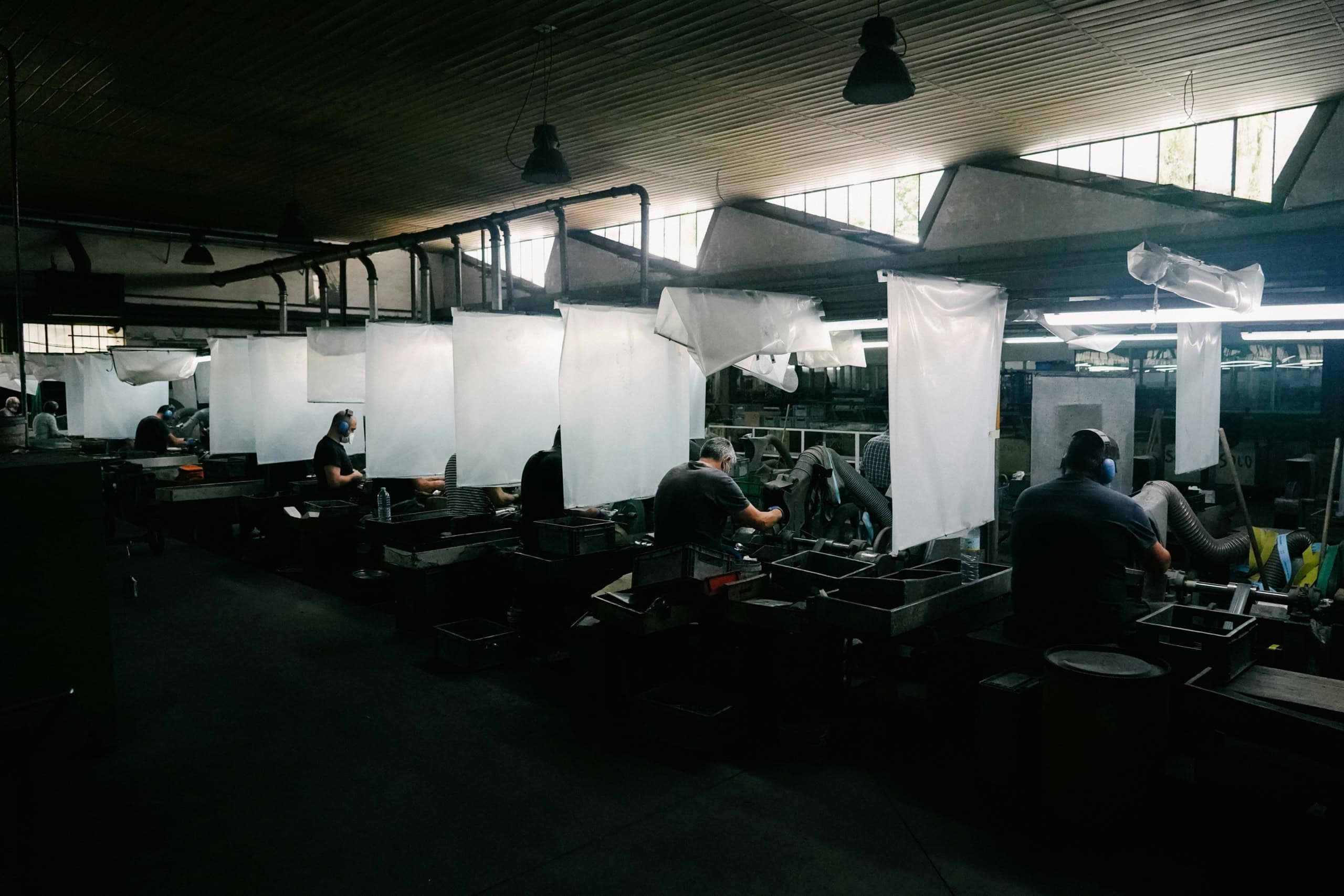
We are committed to flexible, high-impact learning tailored to your business context: Our sessions ensure your personnel are equipped with practical knowledge and industry-leading resources to implement immediate improvements.
Live virtual training, on-site workshops, or accessible on-demand sessions.
1.5 to 3 hours, adapted to your team’s needs.
English or French.
Designed for teams of up to 20 participants.
Expand your knowledge
Expand your knowledge with our curated collection of whitepapers and blog articles. Explore topics like demonstrating due diligence, understanding global regulations, and identifying high-risk countries for modern slavery.
The training was eye-opening and equipped us with practical tools to ensure compliance and foster a responsible supply chain.
Key terms, explained
1. Legislative Foundation
Canadian legislation requiring certain companies to report on the steps they are taking to prevent forced and child labour in their supply chains.
The regulatory environment, thresholds, requirements, and obligations that organizations must meet under S-211.
2. Training & Awareness
Education provided to employees and suppliers to recognize, prevent, and report forced and child labour risks.
Information outlining audience, format, content, duration, and expected outcomes of modern slavery awareness training.
3. Risk Identification
The practice of mapping suppliers and subcontractors to understand sourcing practices and labour conditions.
Potential situations where individuals are coerced to work under threat, restriction, or exploitation.
Conditions where children may be involved in work that affects their safety, education, or development.
4. Operational Responsibility
Clear internal ownership for monitoring, managing, and reporting on labour-related risks across the organization and its supply chain.
A structured evaluation of supplier practices to identify and prioritize human rights risks.
5. Tools & Implementation
Platforms, checklists, and methodologies used to evaluate supplier compliance and identify red flags.
Formal procedures to verify supplier behaviour, labour conditions, and documentation.
Standardized forms and scoring tools used to evaluate risk levels and track progress.
6. Reporting & Compliance
Real scenarios and industry references used to illustrate best practices and lessons learned.
Required submission of annual disclosures to the Government of Canada outlining compliance activities and findings.
Actions taken to meet regulatory obligations, strengthen controls, and demonstrate due diligence.
Why train with GPSI
Sustainability Expertise
Tailor-made solutions
Real time visibility on your deliverables
Abides by the latest ESG norms & standards
EcoVadis Approved Training Partner


Contact Us
Ready to elevate your compliance strategy? Reach out to us for more information or to schedule your training session. Our team is here to support your journey toward ethical excellence.
Ensure your business is ready for the future with our expert-led training on Act S-211. Take action today and lead the change.
Contact Us